Ambulatory surgery centers are operating in a more complex environment than ever before.
Demand continues to grow, case acuity is increasing, and anesthesia staffing remains constrained. At the same time, expectations around efficiency, cost control, and OR performance continue to rise.
According to Cindy Myers, Vice President of Ambulatory Surgery Operations at NorthStar Anesthesia, many of these challenges stem from how anesthesia models are structured—not just how they are staffed.
“We’re seeing more ASCs realize that stability isn’t just about filling shifts,” Myers explains. “It’s about building a team that’s truly aligned with how the center operates.”
Many anesthesia models still rely on rotating or shared provider coverage—often pulling clinicians from hospital environments into ASCs.
While this approach can help address short-term staffing gaps, it often creates long-term challenges:
“ASC environments are fundamentally different,” says Myers. “Efficiency, turnover times, and communication all matter at a different level. You can’t treat it like a hospital extension.”
As a result, many high-performing surgical centers are moving toward dedicated, center-based anesthesia teams.
This model prioritizes consistency, alignment, and long-term performance.
According to Myers, the difference is noticeable:
“When you have a dedicated team, they understand the surgeons, the schedule, and the rhythm of the OR. That familiarity translates directly into better performance.”
Dedicated ASC teams help drive:
While local alignment is critical, building and sustaining dedicated teams requires scale.
Recruiting, retaining, and supporting anesthesia clinicians in today’s market is increasingly complex—especially in competitive regions.
“Local alignment only works if you can support it consistently,” Myers notes. “That’s where national infrastructure becomes essential.”
With the right infrastructure in place, ASCs benefit from:
The most effective models combine:
This balance allows ASCs to achieve both stability and alignment.
“It’s not one or the other,” Myers explains. “You need the scale to support the model, and the local leadership to make it work day to day.”
At NorthStar, this approach is intentional—building ASC-specific teams supported by national resources, rather than relying on rotating coverage models.
Several trends are accelerating the need for more structured anesthesia models:
For ASC administrators, these pressures are shifting the conversation.
“The question isn’t just ‘Do we have coverage?’” says Myers.
“It’s ‘Do we have the right model in place to support where we’re going?’”
Dedicated ASC teams—supported by national infrastructure—provide a more sustainable approach to anesthesia.
This model helps surgical centers:
As the ASC landscape continues to evolve, anesthesia strategy is becoming a key driver of operational success.
For many centers, the shift toward dedicated teams is not just a staffing decision—it’s a strategic one.
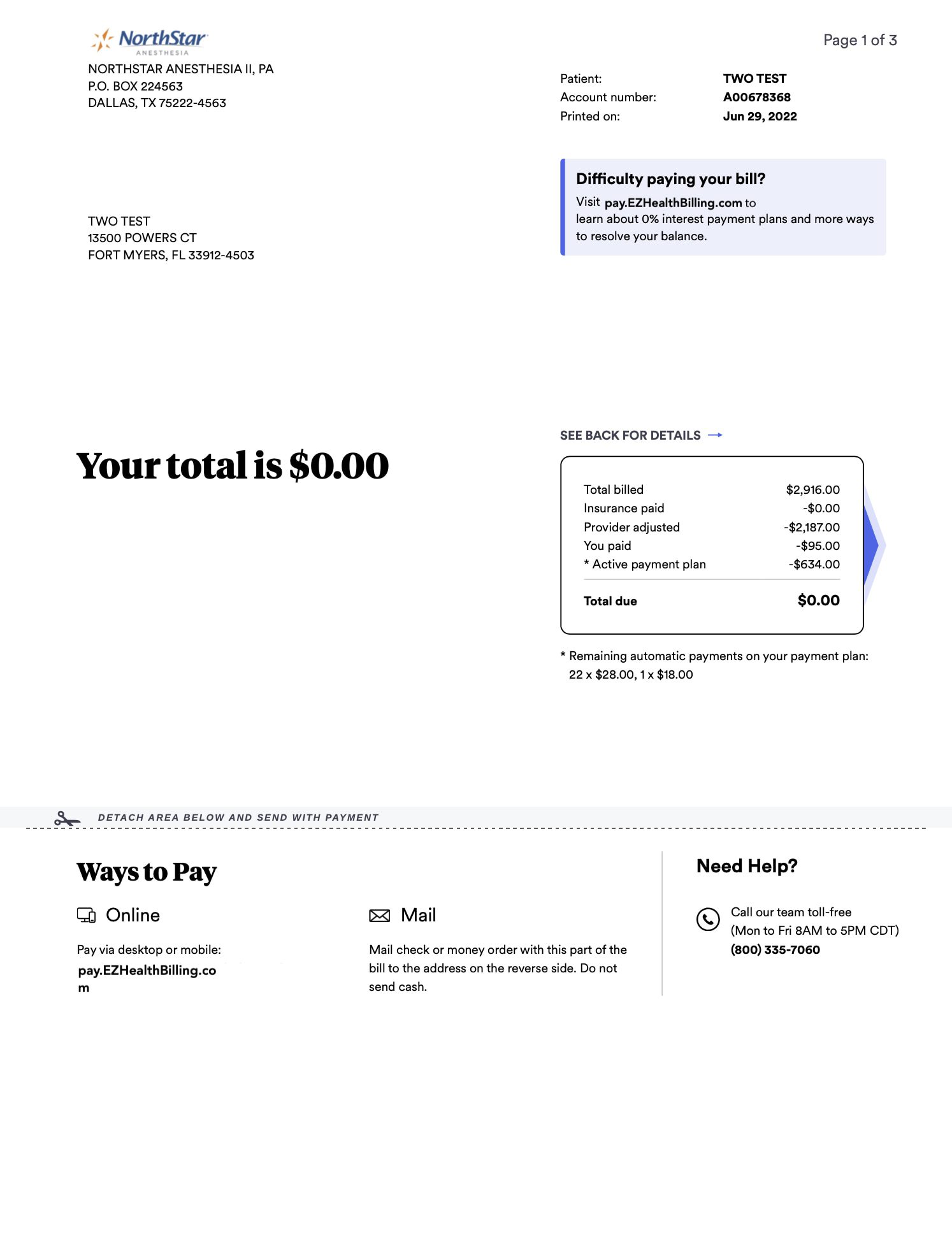
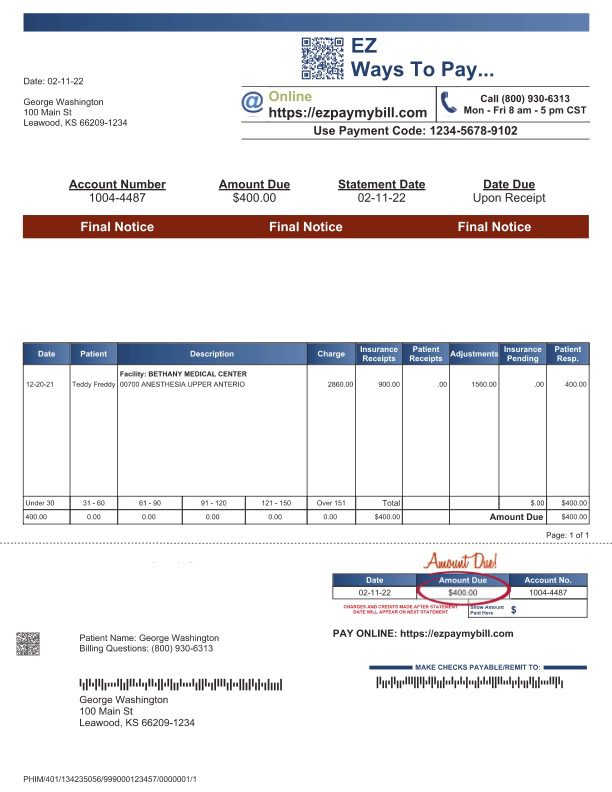
To pay your bill, click on the invoice that looks most similar to your invoice.